Fonix: A Decorative Font Review for Crafters and Brand Designers
I opened a blank InDesign document at 2 a.m., staring at a half-finished brand board for a boutique candle line. The client wanted something that felt handmade but premium, with a touch of whimsy that wouldn’t scream “craft fair” but would whisper “artisanal.” I scrolled through my usual library of sans serifs and clean geometrics, feeling the familiar creative block. Then, I dragged in Fonix. It wasn’t just another decorative typeface; it was the missing piece. For crafters who look for fresh fancy decorated letters, Fonix offers a distinct personality that bridges the gap between playful creativity and professional polish. After testing this font across logo drafts, packaging mockups, and social media layouts, here is my honest take on how it performs in real-world branding projects.
Fonix as a Creative Font for Handmade Shop Branding
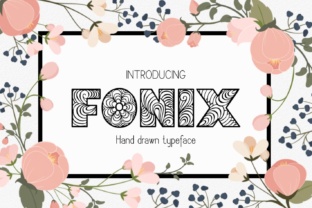
When you first place Fonix on a canvas, its visual weight and intricate details immediately catch the eye. This decorative style is not designed for long paragraphs or dense body text; instead, it shines as a display font where every character can be appreciated. In my test project for a small business owner selling hand-poured soaps, I used Fonix for the primary logo mark. The result was striking. The font’s unique letterforms added an instant layer of sophistication that a standard script could not achieve. It feels curated, which is exactly what modern consumers expect from artisanal brands.
The appeal of Fonix lies in its ability to convey personality without sacrificing legibility at larger sizes. When designing product labels, I found that the font held up well even when scaled down slightly, provided there was enough negative space around the letters. However, I quickly learned that Fonix works best as an accent font or headline typeface. Using it for subheads or button text created visual clutter that distracted from the core message. For crafters who look for fresh fancy decorated letters, understanding this limitation is key. Use Fonix to grab attention on your main title, then pair it with a neutral sans serif font for instructions or descriptions. This contrast creates a clear visual hierarchy, guiding the customer’s eye naturally from the brand name to the product details.
Fonix for Packaging Design and Product Labels
Packaging design requires a delicate balance between aesthetics and functionality. I tested Fonix on a series of mockup boxes for a local bakery’s specialty cookies. The goal was to make the packaging stand out on a crowded shelf while maintaining an elegant, high-end feel. The Fonix typeface delivered exactly that. Its ornate nature added a sense of luxury, making the simple cookie box look like a gift. The font’s decorative elements complemented the illustrative elements of the packaging without competing for dominance.
In this context, Fonix proved to be more than just a pretty face; it helped establish a consistent brand identity. By using the same font across the front label, the back tag, and the shopping bag, the brand felt cohesive and intentional. For entrepreneurs and small business owners, this consistency is crucial for building recognition. The font’s unique character set allowed me to create custom monograms for the bakery’s initials, adding a personal touch that resonated with customers. If you are looking to elevate your product’s perceived value, incorporating a high-quality decorative font like Fonix into your fonts library can be a game-changer. Just remember to keep the rest of your design system simple to let the typography do the heavy lifting.
Fonix in Social Media Graphics and Digital Assets
Digital marketing often demands quick visual impact, and Fonix fits perfectly into this fast-paced environment. I applied the font to a series of Instagram posts and Pinterest pins for a creative studio portfolio. On mobile screens, where attention spans are short, the distinctive shapes of Fonix stopped the scroll. It acted as a strong visual anchor, drawing users into the content. Whether you are creating event flyers, webinar banners, or digital downloads, Fonix adds a layer of professionalism that generic templates lack.
However, working with decorative fonts in digital spaces requires careful consideration of resolution and contrast. I noticed that when placed over busy background images, the fine details of Fonix could get lost. To mitigate this, I used solid color overlays or drop shadows to ensure readability. This technique preserved the font’s aesthetic integrity while maintaining accessibility. For content creators and marketers, knowing how to adapt Fonix for different mediums is essential. It performs beautifully in vector formats for web headers and logos, but when rasterizing for social media, ensure you export at high DPI to preserve those intricate decorative elements. This attention to detail signals quality to your audience, reinforcing trust in your brand.
Fonix Pairing and Practical Usage Tips
No font exists in isolation, and finding the right partner for Fonix is critical for a balanced design. Because Fonix is highly expressive, it needs a calm, neutral companion to ground the composition. In my review process, I paired it with a clean geometric sans serif font for body copy and secondary information. This combination worked seamlessly, allowing the decorative font to shine while ensuring the text remained readable. Avoid pairing Fonix with other script or handwritten fonts, as the competing styles can create visual chaos. Instead, opt for a modern typography system that prioritizes clarity and structure.
Before committing to Fonix for any final client work, I strongly recommend downloading the full package and testing all available weights and styles. Check for included alternates, ligatures, and swashes, as these features can add significant versatility to your designs. Also, verify the file formats and webfont availability if you plan to use the font on a website. Proper licensing is another crucial step. Ensure you have the correct commercial license for your intended use, whether it’s for print-on-demand products, merchandise, or digital templates. By taking the time to explore Fonix thoroughly, you can unlock its full potential and create branded assets that are both beautiful and effective.