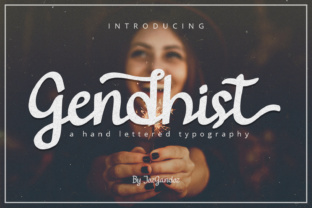
Gendhist: The Clean Handwritten Font for Professional Brand Identity
As a small business owner, I have learned that your brand’s visual identity is often the first thing a potential customer notices. It builds trust before they even read your tagline. That is why choosing the right typeface is not just an aesthetic choice; it is a strategic business decision. Gendhist is a super clean handwritten font that bridges the gap between personal charm and corporate professionalism. Because of its thick letters, it is very expressive and works great for corporate branding, but also for crafting easy to cut designs. In this guide, I will share how this specific Script Handwritten style can elevate your marketing materials, from social media graphics to physical product packaging.
Gendhist for Corporate Branding and Logo Design
One of the biggest challenges entrepreneurs face is making a brand feel both approachable and authoritative. Many script fonts are too thin or delicate, which can look fragile on a business card or get lost in a digital ad. Gendhist solves this problem with its bold, thick letterforms. This weight ensures that your logo remains legible and impactful, even at smaller sizes. When you use Gendhist for a boutique logo or a startup name, it conveys confidence without sacrificing the human touch that handwritten styles provide.
I recommend using Gendhist as a primary display font for your main logo. Its expressive nature grabs attention immediately. However, because it is a distinctive handwritten typeface, it pairs beautifully with simpler supporting fonts. For instance, pairing Gendhist with a clean sans serif font creates a balanced hierarchy. The bold script draws the eye, while the neutral sans serif provides readability for contact information or detailed descriptions. This combination helps your brand look consistent and professional across all platforms.
Gendhist for Product Labels and Packaging Design
If you sell handmade goods, candles, cosmetics, or food items, your packaging is your silent salesperson. Customers often judge quality by the design elements they see on the shelf or in their mailbox. Gendhist is particularly effective for product labels because its thick strokes stand out against various background colors and textures. Whether you are printing on kraft paper, glass jars, or glossy boxes, the font maintains its integrity.
Furthermore, the description notes that this font works great for crafting easy to cut designs. This is a huge advantage for small businesses that produce limited runs of stickers, tags, or die-cut labels. If you use a cutting machine like a Cricut or Silhouette to create custom packaging inserts, Gendhist’s clear structure reduces the risk of tearing or messy cuts. You can confidently place your brand name on every jar or box, ensuring that your customers receive a polished, high-end unboxing experience. Consistency in your packaging design reinforces brand recognition, making your products instantly identifiable in a crowded market.
Gendhist for Social Media Graphics and Digital Ads
In the fast-paced world of Instagram and Pinterest, you have less than a second to capture attention. Standard serif or sans serif fonts can sometimes blend into the feed, but a creative font like Gendhist adds personality and stops the scroll. I use Gendhist for headlines in my promotional posts, such as announcing a new collection or highlighting a seasonal sale. The expressive quality of the letters adds emotional weight to your message, making your content feel more curated and intentional.
When designing social media graphics, readability on mobile screens is crucial. Because Gendhist has thick letters, it remains clear even when viewed on smaller devices. Avoid using long paragraphs in this font; instead, use it for short, punchy text overlays. Pair it with a simple background image that complements the color palette of your brand. This approach keeps your digital presence fresh and engaging. Additionally, because it is a premium font option, it elevates the perceived value of your digital ads, signaling to potential clients that you invest in quality design assets.
Gendhist for Menus, Flyers, and Event Materials
For café owners, event planners, or service providers, printed collateral plays a vital role in customer communication. A menu designed with Gendhist feels inviting and warm, encouraging diners to explore the offerings. Similarly, flyers for workshops, pop-up shops, or local markets benefit from the font’s energetic vibe. The thick strokes ensure that key information, such as dates, times, and prices, stands out clearly.
I often use Gendhist for accent text in these materials. For example, a flyer might use a clean sans serif font for the body copy to ensure easy reading, while using Gendhist for the title or special offers. This contrast creates visual interest and guides the reader’s eye to the most important parts of the design. It also helps in creating a cohesive look if you are distributing multiple types of materials, such as business cards, brochures, and signage. When all your touchpoints share the same typographic voice, your business appears more established and trustworthy.
Font Pairing Strategies for a Complete Brand Identity
To maximize the impact of Gendhist, it is essential to understand how to pair it with other typefaces. A common mistake is using too many decorative fonts, which can make a brand look chaotic. Instead, let Gendhist be the star. Since it is a Script Handwritten font with significant visual weight, it needs a calm partner to balance the composition.
- Pair with Sans Serif: Use a geometric or humanist sans serif font for body text. This combination is modern and highly readable, perfect for websites and digital documents.
- Pair with Serif: For a more traditional or luxurious feel, pair Gendhist with a classic serif font. This works well for wedding invitations, high-end beauty brands, or heritage-style businesses.
By limiting your typography to two complementary fonts, you create a system that is easy to maintain. This consistency is key to building a strong brand identity. Whether you are updating your website banners or printing new thank-you cards, sticking to your chosen font pairing ensures that your audience recognizes your brand instantly.
Testing and Licensing Considerations for Business Owners
Before fully committing to Gendhist for your entire brand, I recommend testing it in real-world scenarios. Create mockups of your logo, a sample product label, and a social media post. View these designs on different devices and print them out to check for clarity. Ensure that the thick letters do not bleed together when scaled down, especially for small tags or stickers.
Additionally, always check the commercial font licensing terms. As a business owner, you need to ensure you have the right to use the font for your specific purposes, whether that includes selling products, creating client work, or distributing digital downloads. Proper licensing protects your business from legal issues and supports the designers who create these valuable tools. Investing in a high-quality, properly licensed font like Gendhist is a smart move for any entrepreneur looking to build a lasting, professional brand presence.