Silicia: A Fresh Script Handwritten Font for Editorial Design
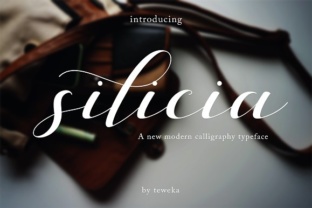
Silicia is a fresh script font packed with over 300 carefully drawn glyphs, offering editorial designers and content creators a versatile tool for crafting personalized designs such as invites, signatures, thank you cards and photo overlays. In an era where digital attention spans are shortening and visual distinction is paramount, the choice of typography plays a pivotal role in establishing brand identity and reader engagement. For publishers, bloggers, and magazine designers, finding a typeface that balances artistic flair with functional clarity is essential. Silicia enters this space not merely as a decorative element, but as a strategic asset for modern publication branding.
Silicia for Wedding Invitations and Elegant Branding
When designing high-stakes personal projects like wedding invitations or elegant branding materials, the nuance of every stroke matters. Silicia excels in these contexts because its Script Handwritten style mimics the organic flow of human calligraphy without sacrificing legibility. The inclusion of over 300 glyphs ensures that designers have access to a rich variety of characters, allowing for intricate details in headers and accents. This density of design options supports the creation of cohesive visual narratives, whether you are crafting a digital invitation suite or a physical print piece. The font’s personality is inherently romantic yet modern, making it suitable for luxury lifestyle brands that wish to convey sophistication through their typographic choices. By utilizing Silicia for titles and key phrases, designers can create a focal point that draws the eye immediately, setting the tone for the entire composition.
Silicia for Blog Headers and Magazine Covers
In the competitive landscape of online publishing, first impressions are formed in milliseconds. Using Silicia for blog headers allows content creators to inject personality into their articles instantly. Unlike rigid sans-serif fonts, a handwritten font introduces warmth and approachability, which can significantly enhance reader connection. For magazine covers, where text must compete with imagery for dominance, Silicia serves as a powerful display font. Its distinct character shapes stand out against busy backgrounds, ensuring that headlines remain readable even at smaller sizes on mobile devices. When paired with clean body copy, Silicia creates a dynamic visual hierarchy that guides the reader’s journey through the content. This contrast between the expressive header and structured body text is a hallmark of professional editorial design, helping publications maintain a polished yet inviting aesthetic.
Silicia for Ebook Titles and Chapter Openers
Ebook creators and authors often struggle with maintaining visual interest across long-form digital content. Incorporating Silicia for ebook titles and chapter openers provides a consistent thread of elegance throughout the document. The font’s carefully drawn glyphs ensure that special characters and punctuation marks are aesthetically pleasing, which is crucial for front matter, copyright pages, and dedication sections. Furthermore, the versatility of Silicia makes it ideal for quote layouts within ebooks. Pull quotes rendered in this Script Handwritten style break up dense text blocks, offering readers a moment of visual rest while reinforcing key messages. This technique not only improves readability but also increases the shareability of content on social media platforms, where graphic-heavy posts tend to perform better.
Silicia for Newsletter Graphics and Social Media Content
Digital newsletters and social media graphics require typography that captures attention quickly and conveys mood effectively. Silicia is perfectly suited for these formats due to its adaptability. Whether used for creating engaging newsletter headers, promotional banners, or Instagram story overlays, the font adds a layer of premium quality to everyday communications. The extensive glyph set allows for creative experimentation with ligatures and alternates, enabling designers to customize text for specific campaigns. For instance, using Silicia for discount codes or call-to-action buttons can make them feel more exclusive and handcrafted. Additionally, when designing printable lead magnets or worksheets, Silicia can be used to highlight important instructions or section titles, ensuring that users engage with the material thoroughly. The font’s ability to bridge the gap between digital screens and printed materials makes it a valuable addition to any creator’s toolkit.
Silicia for Photo Overlays and Visual Storytelling
Visual storytelling relies heavily on the integration of text and imagery. Silicia shines in this domain, particularly when used for photo overlays. The font’s delicate yet confident strokes complement photographs without overwhelming them, allowing the image to remain the primary subject while the text provides context or emotion. This is especially effective for lifestyle blogs, travel journals, and fashion magazines where aesthetics drive engagement. By placing Silicia strategically over images, designers can create memorable moments that resonate with audiences. The font’s modern typography style ensures that it feels contemporary rather than dated, which is critical for brands aiming to stay relevant. Moreover, the availability of various weights and styles within the font family allows for nuanced text treatment, supporting complex layout structures that require both emphasis and subtlety.
Practical Considerations for Editorial Use
While Silicia offers numerous creative possibilities, practical considerations regarding font pairing and technical specifications are important for successful implementation. As a display font, Silicia is best used for short bursts of text rather than long paragraphs. Pairing it with a highly readable serif font for body copy or a clean sans serif font for captions and navigation ensures optimal user experience across different devices. It is advisable to check the included styles, alternates, and ligatures to maximize the font’s potential. Many modern fonts offer multilingual support, which is beneficial for global audiences. Additionally, understanding commercial licensing is crucial; ensure that your use of Silicia aligns with the terms for ebooks, templates, printables, paid newsletters, and client publications. By respecting these guidelines and leveraging the font’s strengths, designers can produce high-quality work that stands out in a crowded market.
Conclusion
Silicia represents more than just a collection of letters; it is a comprehensive design solution for those seeking to elevate their editorial output. From intimate wedding invitations to broad-reaching magazine covers, this Script Handwritten font delivers the precision and charm necessary for compelling visual communication. Its extensive library of glyphs and adaptable nature make it a worthwhile investment for publishers, bloggers, and creative professionals alike. By integrating Silicia into your workflow, you not only enhance the aesthetic appeal of your content but also strengthen your brand’s identity, fostering deeper connections with your audience through thoughtful, well-crafted typography.